

29 ต.ค. 2568·2 นาที
สคีมาท่อขายสำหรับผู้ก่อตั้ง B2B ที่ตรงไปตรงมา
สคีมาท่อขายสำหรับผู้ก่อตั้ง B2B: ฟิลด์ ขั้นตอน และการติดตามกิจกรรมขั้นต่ำที่จะช่วยพยากรณ์ชัดเจนและขยับดีลโดยไม่ให้ CRM บวม
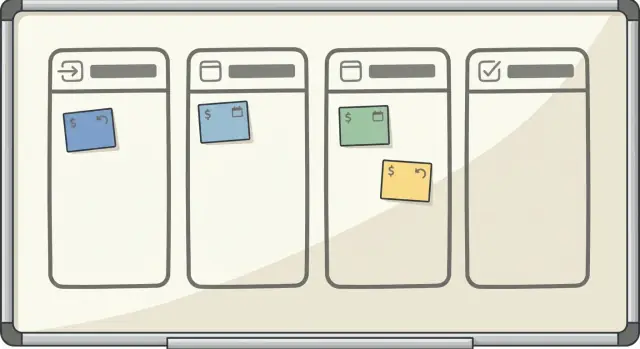
สคีมาท่อขายสำหรับผู้ก่อตั้ง B2B: ฟิลด์ ขั้นตอน และการติดตามกิจกรรมขั้นต่ำที่จะช่วยพยากรณ์ชัดเจนและขยับดีลโดยไม่ให้ CRM บวม
A pipeline “lies” when it shows progress that isn’t backed by real buyer actions. The most common causes are missing next steps, stale last-activity dates, and close dates that get pushed forward without a buyer-confirmed timeline.
Make three fields non-negotiable for every open deal: a concrete next action, a due date for that action, and a close date tied to a real buyer event like a meeting, review, or signature step. If any of those are blank, treat the deal as inactive until they’re filled.
Default to “one deal = one buying decision.” If the same company could purchase twice through different teams, budgets, or contracts, create separate deals so you don’t mash multiple timelines and stakeholders into one confusing record.
Start with a deal name format that prevents duplicates, a company, a primary contact, an owner, expected value, target close date, and a clear source. Then add just enough qualification to explain why it should close: use case, decision process, and pricing fit.
A one-sentence use case plus what “success” looks like forces you to understand the outcome, not just the buyer’s interest. If you can’t describe the result clearly, the deal is usually still too early to forecast.
Write it as a short story of how a decision gets made: who signs, who can block it, and what steps must happen (security, legal, procurement). If you don’t know the signer yet, keep the deal in an early stage and focus your next step on finding that person and process.
Use a rough range or a simple Likely/Unclear/Unlikely based on what you heard. The goal isn’t perfect pricing math; it’s to stop advancing deals where the budget reality doesn’t match your offer.
Track last activity date, next step, next step due date, and a close reason when it ends. Notes can exist, but these activity fields are what keep deals from drifting and force you to decide what happens next.
Move stages only when something real happened, like a discovery call completed, a proposal actually sent, or legal introduced. If a stage change can happen just because you “feel good,” the stage definitions are too fuzzy and your forecast will drift.
Set a max number of days for each stage as an early warning, then trigger a reset when the limit hits. The default action is simple: either book a real next step, move the deal back to the last stage that matches the facts, or close it as no decision after clear follow-up attempts.