

Dec 23, 2025·6 min
Gift idea tracker: stay ahead of birthdays and holidays
Use a gift idea tracker to save ideas by person, set early reminders, and shop calmly with a simple routine you can keep all year.
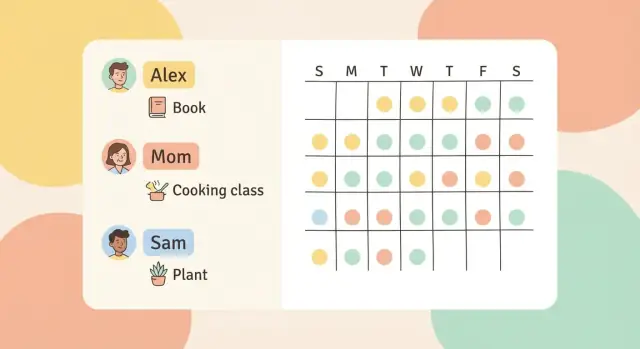
Use a gift idea tracker to save ideas by person, set early reminders, and shop calmly with a simple routine you can keep all year.
Gifting gets stressful for a simple reason: it mixes emotion with a deadline. You want the gift to say, “I know you,” but you also have work, errands, and a budget. When time gets tight, the pressure rises fast.
Last-minute shopping pushes you into generic choices. You buy what’s available, not what fits. You second-guess yourself online or in a store, pay for rush shipping, wrap at midnight, and hope it lands well. The stress isn’t from giving. It’s from trying to be thoughtful while the clock is loud.
Calm gifting looks different. It’s not about being “good” at gifts. It’s about moving the thinking earlier, when you have space. You catch ideas when they naturally show up, save them in one place, then act with enough buffer that small problems don’t turn into emergencies.
In practice, calm gifting usually means you:
A gift idea tracker helps because it turns random moments into a plan. Someone mentions they love spicy snacks, their hobby tool breaks, a favorite brand restocks something they’ve wanted - you save it under their name. Later, you’re choosing from real options, not starting from zero.
A small example: your friend casually says they’re training for a 10K. If you capture that note now, you can buy a reflective vest or running belt weeks later during a normal shopping trip. If you wait until the night before their birthday, you’ll likely end up with a gift card and a little guilt.
Calm gifting is just early attention, stored somewhere you trust.
A tracker only helps if it feels easier than keeping everything in your head. When you open it, you should be able to answer three questions quickly: What could I get them? Why does it fit? When should I start?
Start by storing ideas by person, not in one giant list. When every idea is attached to a name, you stop wasting time guessing who that “nice mug” was for.
Most gift ideas fail because they’re too vague. “Book” isn’t a plan. Add just enough context so Future You can act without re-deciding everything.
A useful entry usually includes:
Instead of “running shoes,” write: “Running shoes - they said their current pair hurts; prefers neutral colors; size 9; already has Nike; likes New Balance.”
Reminders turn a list into a system. Set them early enough that shipping delays, busy weeks, and sold-out items don’t wreck your plan.
A simple timing pattern that works for most people:
One more thing that pays off: keep a short history of past gifts per person. It prevents repeats and shows patterns (they love experiences, they don’t use gadgets, they always appreciate consumables). Even one line like “2024: cooking class - big hit” makes next year easier.
A tracker only feels easy when it matches how you actually give gifts. If you don’t decide your rules upfront, you’ll keep adding fields, stop updating it, and stop trusting it.
First, decide who it’s for. Many people do best with a simple split: close family, close friends, and “everyone else” (coworkers, neighbors, kids’ friends’ parents). You can also track groups like “office Secret Santa” or “book club,” where one date and a rough budget matters more than personal details.
Next, choose the dates that truly affect buying. Birthdays are obvious, but the stressful ones are often anniversaries, graduations, baby showers, and travel-related events. If you celebrate holidays, be clear about which ones are “gift holidays” for you and which aren’t.
A short set of decisions keeps the tracker focused:
Finally, be honest about constraints so your reminders are realistic. A “great gift” stops being great if it arrives late or takes three weekends you don’t have. Think about shipping buffer, store travel time, DIY lead time, return effort (especially for clothes), and whether you have space to hide gifts at home.
A tracker only works if you use it, so keep setup simple. Pick one place you already open often: a notes app, a spreadsheet, or a basic task app. The best gift idea tracker is the one you’ll remember to check.
Create one “home” page, then one page (or row, or card) per person. Use their name as the title. If you tend to buy for couples or families together, give them a shared card so ideas don’t split across multiple places.
Keep fields minimal so adding an idea takes seconds. This set is enough for most people:
Add important dates once, then reuse them every year. For each person, record the birthday and your own “buy-by” date. If you track seasonal events (Mother’s Day, winter holidays, anniversaries), add those too.
Then set a default reminder schedule you can reuse: 30 days (brainstorm), 14 days (choose and order), 7 days (wrap or confirm plans). If you’re ordering something custom or shipping far, change the first reminder to 45 days.
Example: for Sam’s birthday on May 20, your reminders hit April 20, May 6, and May 13. You still have time to compare options and avoid last-minute panic.
A gift idea is only helpful if you still understand it weeks later. Save the thought, the reason, and the next action in one place.
A simple template works better than long notes:
“Idea - why it fits - where to get it.”
The “why it fits” part is what people skip, but it’s what makes your future self trust the idea.
If your tracker gets busy, a few light categories can help you skim faster. Keep them broad (and optional): Experience, Practical, Sentimental, Fun.
Capture ideas the moment you hear them. If someone says, “I’ve been wanting to try pottery,” add it right away, even if it’s messy. You can tidy it during a quick weekly check.
Two extra notes prevent a lot of stress:
Before you move on, do a fast usefulness check. Can you explain why they’ll like it? Do you know the rough price? Do you have at least one place to buy it? Do you have a backup? Did you note any no-go items (allergies, clutter limits, strong scents, sizes)?
A tracker only helps if it nudges you at the right moment. The goal is calm buying, not a phone full of alarms.
Pick a lead time that matches how you shop. If you like browsing and comparing, give yourself more runway. If you tend to buy one solid gift and move on, you can tighten it.
For most people, this covers almost everything:
Adjust for shipping and deadlines. If delivery usually takes 5 business days, schedule your “order now” reminder 10 to 14 days ahead. Do the same for experiences: restaurants, tickets, and time slots can sell out.
To avoid constant pings, batch your planning into one weekly moment. Pick a day and time you already have a little space, and do a 10-minute check: scan what’s coming up in the next month and take the next action.
Handmade gifts need their own rule because they depend on free time. If you need to make it, start 6 to 8 weeks early. Add a start reminder (buy materials and schedule the first session) and a midpoint reminder (confirm you’re on track or switch to the backup).
Most trackers fail for simple reasons. The system is fine, but the habits around it are messy.
The biggest problem is scattered ideas. If one idea is in a notes app, another in a group chat, and a third sitting in an online cart, you’ll forget at least one. Pick one home for everything and treat other places as temporary inboxes you copy into the tracker.
The next problem is vague notes. “Something nice” feels helpful in the moment and becomes useless later. A good entry answers: what is it, why they’ll like it, and where you’d get it.
Bad reminder timing causes panic. If your first reminder is a week before the date, you have no room for shipping delays, sold-out items, or a chaotic work week. Set an early reminder to decide and a later one to buy and wrap.
Duplicates happen when you don’t track what you already purchased. Mark items as “bought” the moment you order, and add a quick note about where you stored it.
Budgets also break trackers when they’re ignored until checkout. Add a budget range early, even if it’s rough. If your target is $30 and two saved ideas are $80, you’ll save time by knowing that upfront.
You don’t need a perfect system. Your tracker is “ready” when it reliably takes birthdays and holidays off your mind and brings them back only when it’s time to act.
Ask yourself:
If you answered “no” to any one of these, fix that before adding anything fancy.
Say your friend’s birthday is May 20. Your tracker shows the date, two solid ideas (“running belt” and “coffee subscription”), and a budget note (“$30 to $50”). Your reminders aren’t only on May 20. They’re placed so you can act calmly: buy by May 5, wrap by May 18, give on May 20. The status starts as “idea,” moves to “bought,” then ends at “given.”
That’s enough to prevent last-minute panic.
When you add a new person, don’t stop at their name and date. Add two ideas and a budget note right away, even if the ideas are basic. A tracker full of empty rows looks organized, but it won’t help when you need it.
Picture a simple gift list by person with a few notes, a rough budget, and reminders. Here’s how it plays out with three different lead times.
On a walk, your partner says, “I miss taking photos like I used to.” You add: “Idea: compact camera or phone lens kit. Likes: street photos, black strap. Avoid: huge bags.” You don’t buy yet.
Set two reminders: 4 weeks before (research and shortlist) and 2 weeks before (buy). When the first reminder hits, you compare a few options and record what matters: price range, what to avoid, and one backup option.
Your parent mentions their hands get cold in the evening. You record: “Warmth: heated throw or wool blanket. Color: navy. Size: fits sofa.” Because the date is far away, you set a reminder 6 weeks before.
When it arrives, you can watch for a sale or ask one quiet question to confirm color or size. Since you started early, it feels like a small decision, not an urgent one.
You hear they love a specific tea. You note: “Tea sampler plus a simple mug. Keep under $30.” Set a 7-day reminder to buy and a 2-day reminder to wrap.
If a last-minute invite pops up, you can check your “quick gifts” notes (chocolate, small plant, bookstore gift card), choose one, and record what you gave so it’s easier next time.
After each gift, add one short line about what they liked and any sizing or brand notes. That tiny update is what makes the next holiday easier.
A tracker only helps if it stays current. The easiest way is tiny, regular maintenance instead of a big cleanup right before an important date.
Start small on purpose. Pick the 10 people you buy for most often and get their basics right first: birthday, preferences, and a few gift ideas. Once that feels easy, expand.
A simple rhythm that doesn’t take over your calendar:
If your list is getting big and you want something more tailored than a spreadsheet, you can build a simple custom tracker with a chat-based app builder like Koder.ai. It can be a nice way to match the tracker to how you think (fields, categories, and reminders) without turning it into a complicated project.
One habit makes the biggest difference: when you buy something, update the tracker immediately. That single step turns “I’ll remember later” into a calm system you can trust.
Start with one simple rule: capture ideas by person as soon as you hear them, then set reminders that tell you when to decide and when to buy. That shifts the work from a frantic week to a few small moments spread out over time.
A note becomes actionable when it includes three things: the item, why it fits them, and at least one place you could get it. Add any sizing, color, or “do not buy” details while you still remember them.
Store ideas under each person’s name, not in one giant list. It’s quicker to choose when you can open one page and see their preferences, budget range, and a couple of solid options.
Use a simple schedule you can reuse: about 30 days before to decide, 14 days before to buy or order, and 3 to 5 days before to wrap or confirm plans. If you rely on shipping or customization, move the first reminder earlier so delays don’t become emergencies.
Keep a small history line per person with what you gave and whether it landed well. Even a quick note like “loved it” or “didn’t use it” helps you avoid repeats and makes future choices easier.
Write down their dislikes and constraints as clearly as their likes. Knowing “no strong scents,” “no clutter,” or “already owns one” prevents awkward gifts and saves you money.
For people who are hard to shop for, keep two safe backups that fit your budget and are easy to buy quickly. That way you can still be thoughtful without starting from zero under pressure.
Give yourself a longer runway and add two reminders: one to start and one midpoint check to confirm you’re on track. If you’re behind at the midpoint, switch to a backup plan early instead of forcing a rushed DIY finish.
Keep it lightweight: a quick price range per person and a short note on the type of gift they tend to enjoy. When an idea doesn’t match the budget, you’ll know immediately instead of discovering it at checkout.
A spreadsheet or notes app is enough for most people, as long as you actually check it. If you want a tracker that matches your exact workflow, you can build a simple custom app in Koder.ai that stores people, ideas, and reminder dates in the format you prefer, then update it in a chat-style interface.